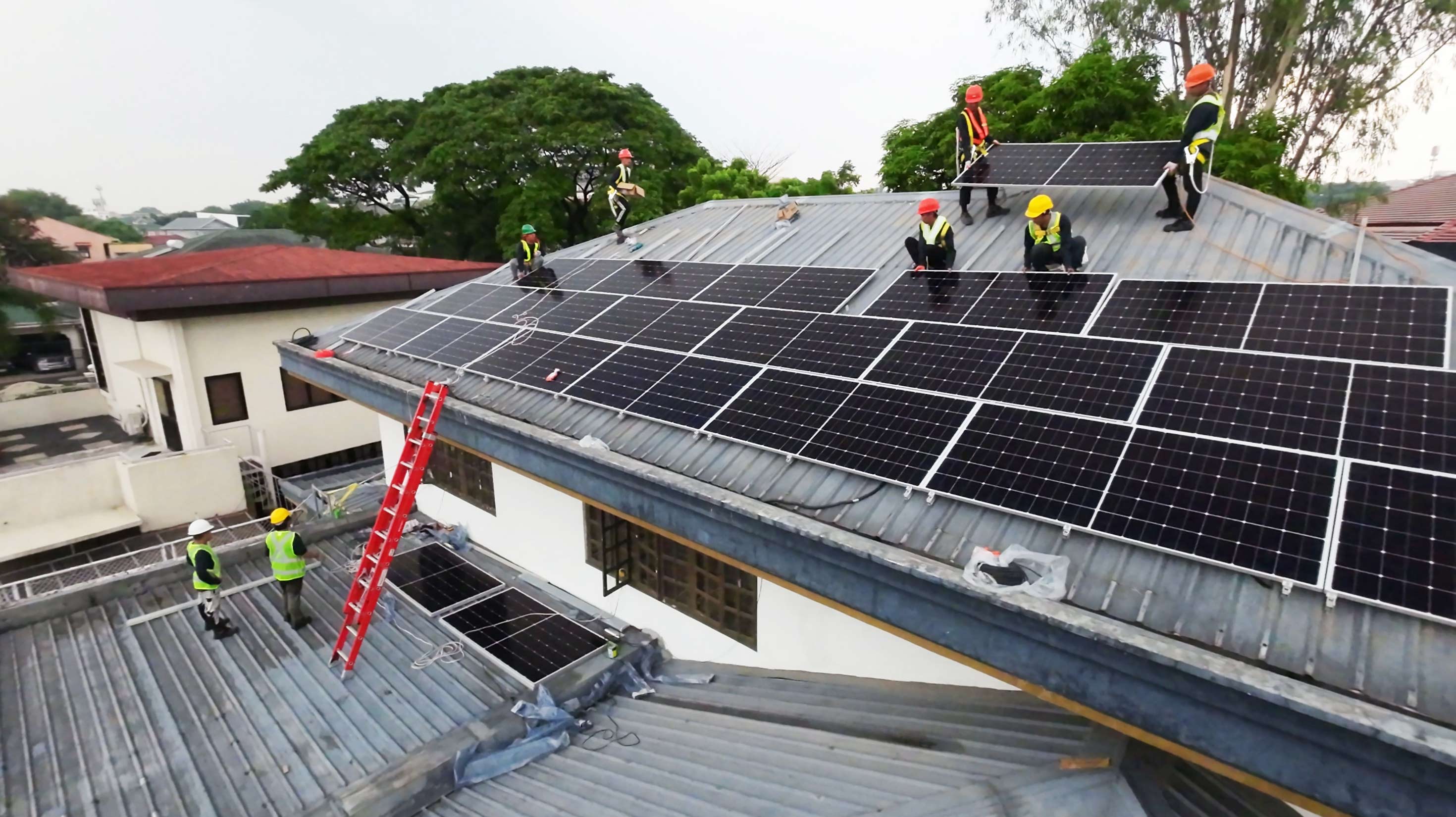
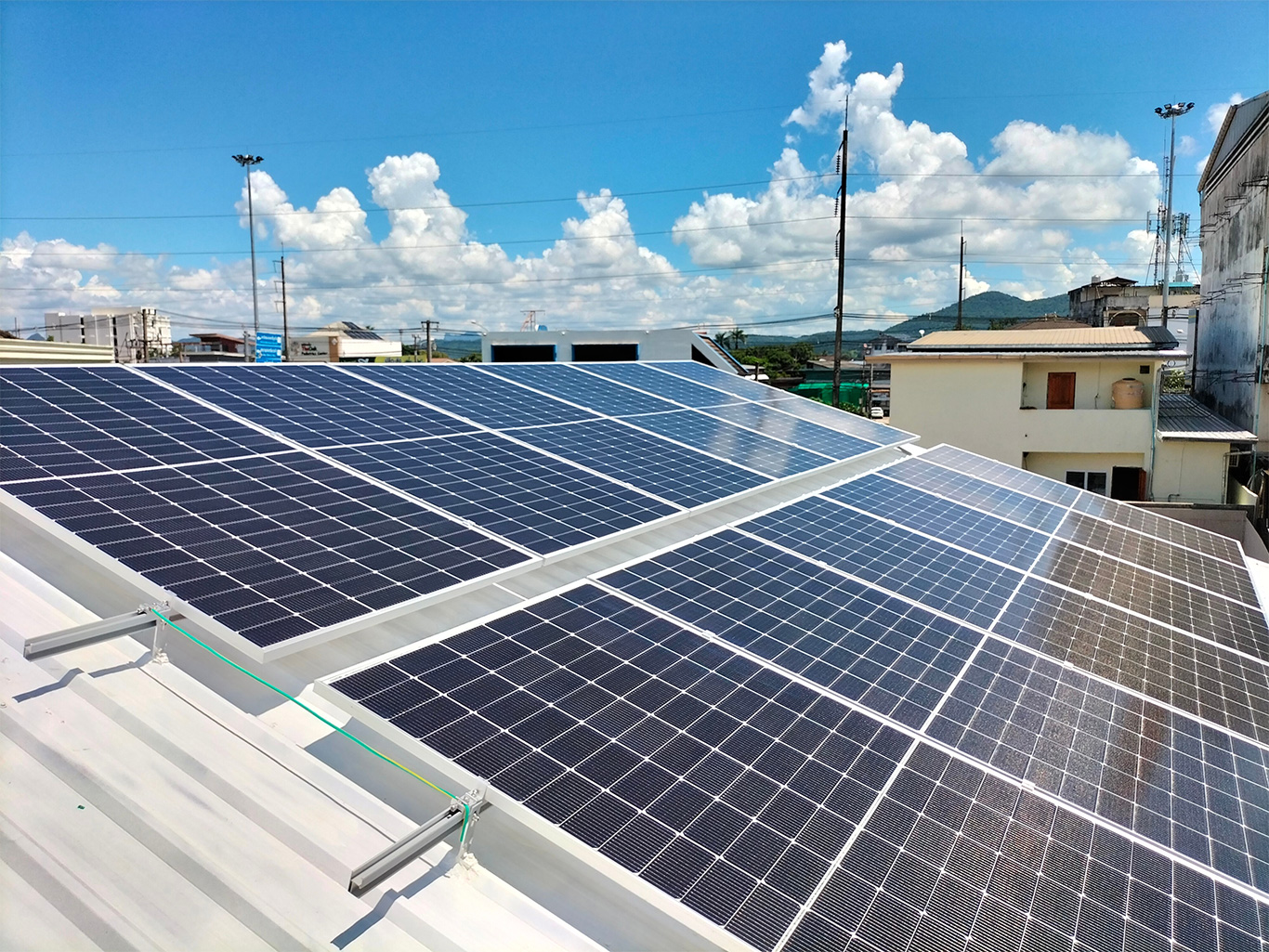
Which solar panel is best for your home? No single brand wins. The best panel is the one whose numbers fit your roof and your household, backed by warranties someone will actually honor.
Four numbers tell you almost everything: wattage, efficiency, degradation, and warranty. This guide explains what each one means, what a good figure looks like, and which questions to ask before you sign. We use the panels Solviva installs as a worked example throughout.
The Best Panel Is Judged by Its Numbers, Not Its Brand
Panel brands and models change often. A name you recognize today may sell a different product line next year, and two panels from the same brand can perform very differently.
The spec sheet is more reliable. It lists what the panel produces, how much roof it needs, how quickly it ages, and what the maker guarantees. Those figures can be compared side by side, whoever made the panel.
This is also how Solviva chooses its panels. We select on value and specifications rather than brand, which is why this guide talks about numbers instead of names.
Wattage Tells You How Many Panels You Need
A panel’s wattage is its rated output. The higher the wattage, the fewer panels you need to reach a given system size.
Solviva installs 630W panels. Eight of them make up our smallest system, rated at 5.04 kWp. A system built from lower-wattage panels would need more of them to reach the same capacity, which means more panels to mount, wire, and maintain.
Wattage on its own does not make a panel good. It does tell you how many panels your quote is based on, and that number should match the roof space you have.
Efficiency Tells You How Much Roof It Takes
Efficiency is the share of sunlight hitting the panel that it turns into electricity. A more efficient panel produces more power from the same surface area.
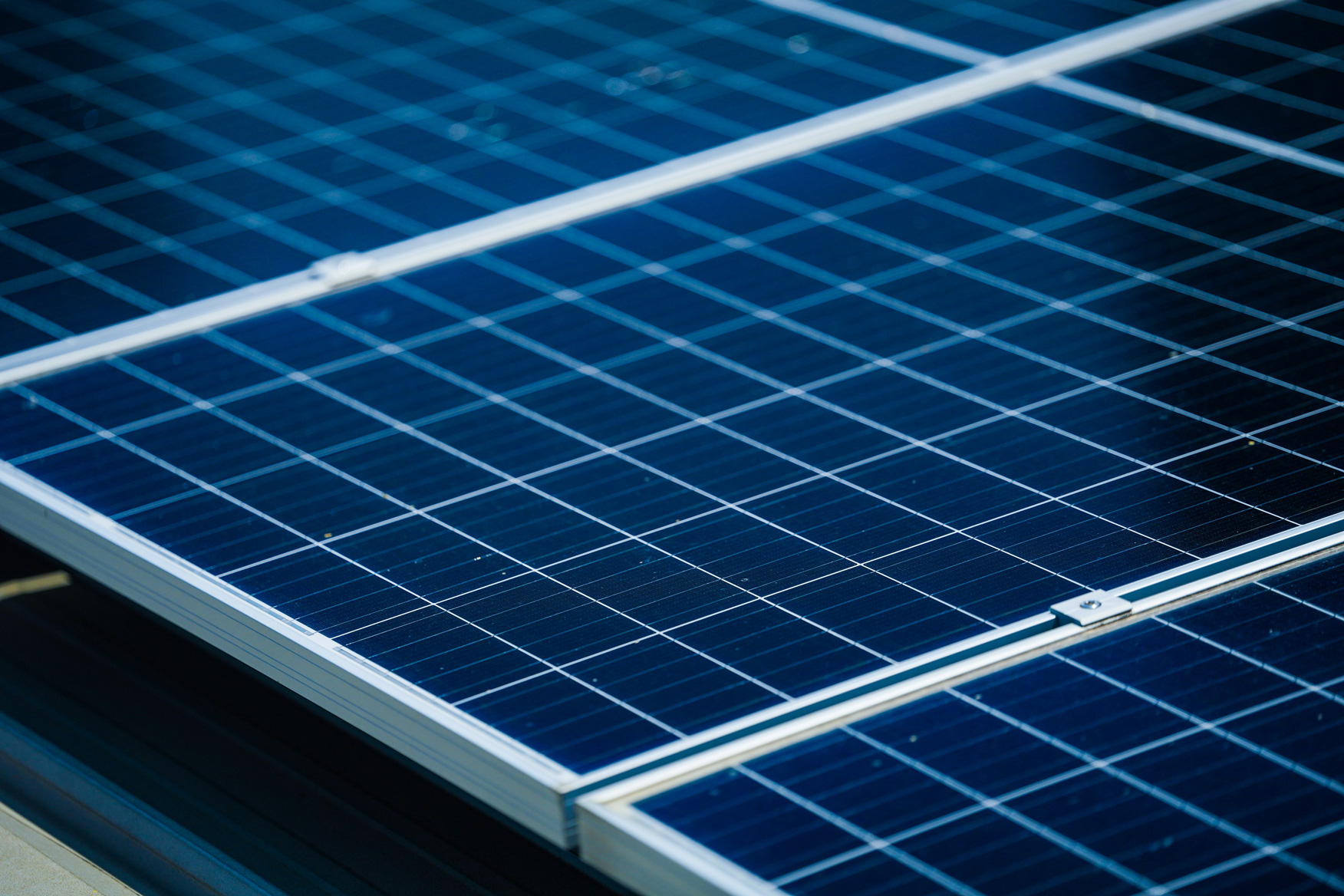
Solviva’s panels have a module efficiency of about 23.3 percent. Each panel measures about 2.4 meters by 1.1 meters, or roughly 2.7 square meters. A 5 kWp system needs 25 to 30 square meters of clear, unobstructed roof once you allow room for installation and maintenance.
Efficiency matters most when space is tight, as it is on many townhouses and homes in dense neighborhoods. If your roof is large and unshaded, the other three numbers deserve more of your attention. Our guide to how much roof space you need for a 5 kWp system covers the footprint in detail.
Degradation Tells You What the Panel Still Produces in Year 25
Every solar panel loses a small amount of output each year. This is normal, and it is called degradation.
The rate is what matters. Solviva’s panels lose about 1 percent of their output in the first year, then about 0.4 percent per year after that. By year 25, that adds up to about 10.6 percent in total. A panel with a higher degradation rate starts at the same rating but produces noticeably less in its later years.
Since a solar PV system is designed to last 25 to 30 years, a small difference in the yearly rate adds up. When you compare quotes, ask for the degradation figure in writing. It rarely appears in advertising, but it says more about long-term value than the wattage does.
Heat and Humidity Are Worth Asking About
Panels on Philippine roofs work in strong heat and high humidity for most of the year. Two panels with the same wattage rating can behave differently under those conditions, because the rating is measured in a laboratory, not on a hot roof in April.
Most spec sheets list how much output a panel loses as its temperature rises. A smaller loss is better in a warm climate. Spec sheets also list the tests a panel has passed for durability, such as resistance to wind, moisture, and impact.
Solviva’s panels have passed two tests that matter here. A salt mist corrosion test checks how the panel holds up in salty, humid air, which is relevant for homes near the coast. A dynamic mechanical load test puts the panel through 1,000 cycles of repeated stress, similar to what strong winds and heavy rain do over the years.
You do not need to read every line of a spec sheet. Ask the installer to point out these two items and explain them in plain terms. If they cannot, that tells you something about the rest of the quote.
Warranties Show What the Maker Stands Behind
Solar panels usually come with two separate warranties, and it helps to know the difference.
The product warranty covers defects in the panel itself, such as faulty materials or manufacturing problems. Solviva’s panels carry a 12-year product warranty.
The performance warranty covers output. It guarantees the panel will keep producing within a set range as it ages. Solviva’s panels carry a 30-year performance warranty, which runs longer than the system’s design life of 25 to 30 years.
The rest of the system has its own coverage. The inverter and battery each carry a 5-year warranty, and the installation itself carries a 1-year workmanship warranty. All of these start on the date your system is energized.
One detail is easy to miss: maintenance can affect your warranty. Maintenance done by a non-authorized technician can void the workmanship warranty, and damage caused during that work can void the panel warranty. Ask any installer what maintenance is required to keep each warranty valid.
A Good Panel Still Needs a Good Installation
A panel is one part of a system. How it is mounted, wired, and connected to the inverter decides how well it performs and how long it lasts.
That work starts before installation. A site assessment checks your roof’s structure, orientation, and shading, so the panels go where they will produce the most and the roof can carry them safely for decades. If you live in a typhoon-prone area, how the panels are secured matters as much as the panels themselves. Our guide to what happens to solar panels during typhoon season explains why.
At Solviva, every system is designed by licensed electrical engineers to meet the Philippine Electrical Code, and every installation includes a structural analysis of the roof. Our mounting structures are designed for typhoon-strength winds of up to 220 km/h.

It continues after installation. Solviva recommends annual preventive maintenance by an authorized technician, starting one year after installation. That covers cleaning with de-ionized water, clearing debris from under the panels, a visual check for cracks and loose conduits, and confirming the monitoring app is reporting correctly. Our guide to solar maintenance and support covers what to expect.
If something does go wrong, you should know who to call. Solviva customers get a clear guide at handover. Signs of heat, smoke, or sparks at the inverter call for an immediate call. Low output or a monitoring app that stops reporting calls for a call soon. Panel damage, inverter or battery problems, and workmanship issues go through a warranty claim.
A panel with excellent specifications can still underperform if it is installed poorly or not looked after. When you compare options, compare the installer as carefully as the panel.
Questions to Ask About Any Panel Before You Sign
Use these questions with any installer. A reliable one should answer each of them clearly and in writing.
- What is the panel’s wattage, and how many panels does my system use?
- What is the module efficiency?
- What is the degradation rate in the first year, and in each year after?
- How does the panel perform in high heat, and what durability tests has it passed?
- How long are the product and performance warranties, and when do they start?
- What do the inverter, battery, and workmanship warranties cover, and for how long?
- What maintenance do I need to keep each warranty valid, and who can perform it?
- Who do I contact if something goes wrong?
The Short Version
- The best solar panel is judged by its numbers, not its brand.
- Wattage tells you how many panels you need. Ours are 630W, so 8 panels make a 5.04 kWp system.
- Efficiency tells you how much roof it takes. Ours is about 23.3 percent, needing 25 to 30 square meters for 5 kWp.
- Degradation tells you what the panel still produces in year 25. Ours is about 1 percent in the first year, then about 0.4 percent a year.
- Panels carry two warranties: product (12 years for ours) and performance (30 years for ours).
- A good panel still needs a careful installation and reliable after-sales support to deliver what its spec sheet promises.
See what your roof can do. Book a free site assessment and a member of our team will check your roof, your usage, and the right system size for your home.
System sizes start at 5 kWp, grid-tied, and are recommended for electricity bills of ₱10,000 and above. Actual price and savings vary depending on system size and usage.