What Happens to Your Solar Panels During Typhoon Season in the Philippines?
You just invested in solar. The last thing you want is a Signal No. 3 wiping out your system. Here's the honest truth about how solar panels hold up in Philippine weather.
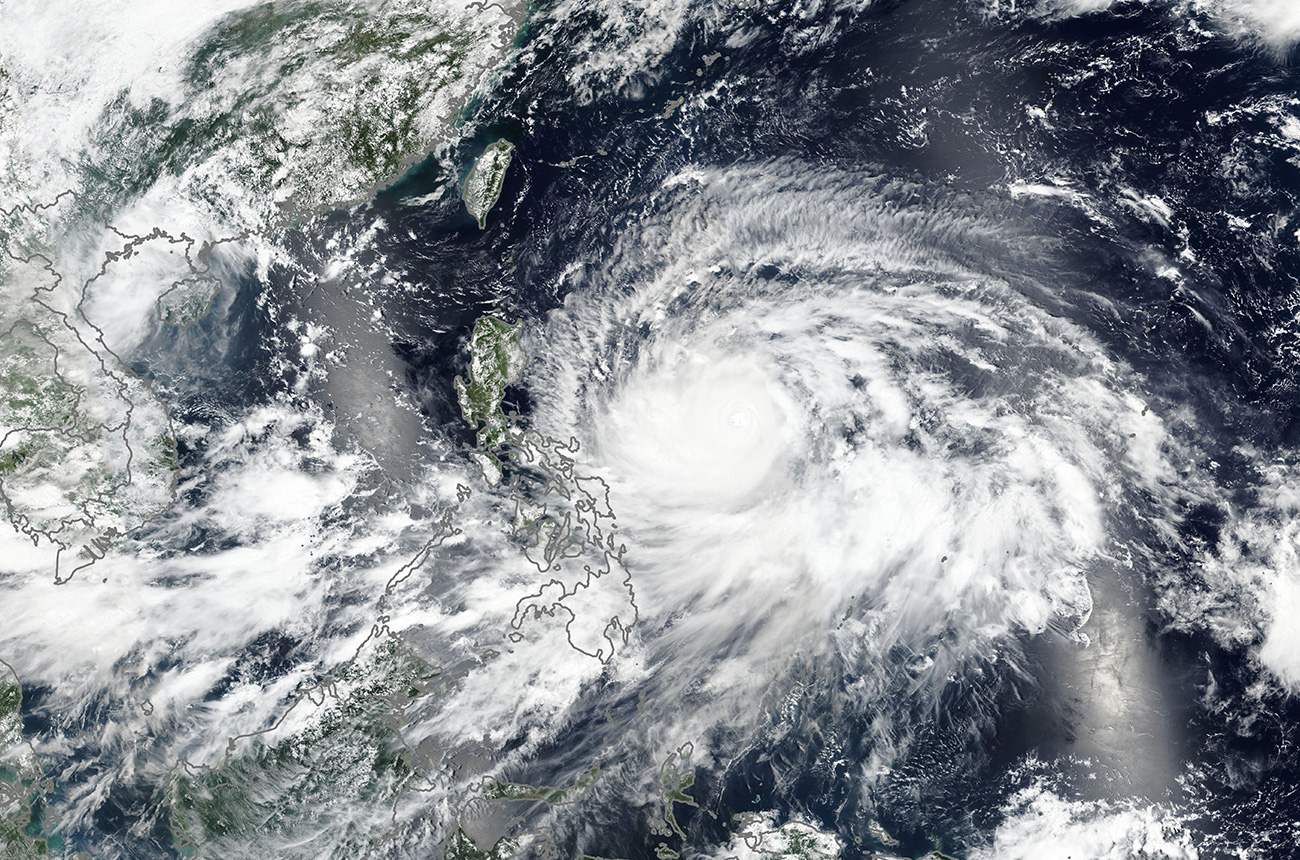
Every year, around 20 typhoons pass through or near the Philippines. If you're a homeowner who's switched to solar or thinking about it, this is probably the question you've been quietly sitting on: what actually happens to my solar panels when a typhoon hits?
It's a fair concern, and honestly, one that doesn't get talked about enough. Let's get into it.
The Short Answer: Modern Solar Panels Are Built for This
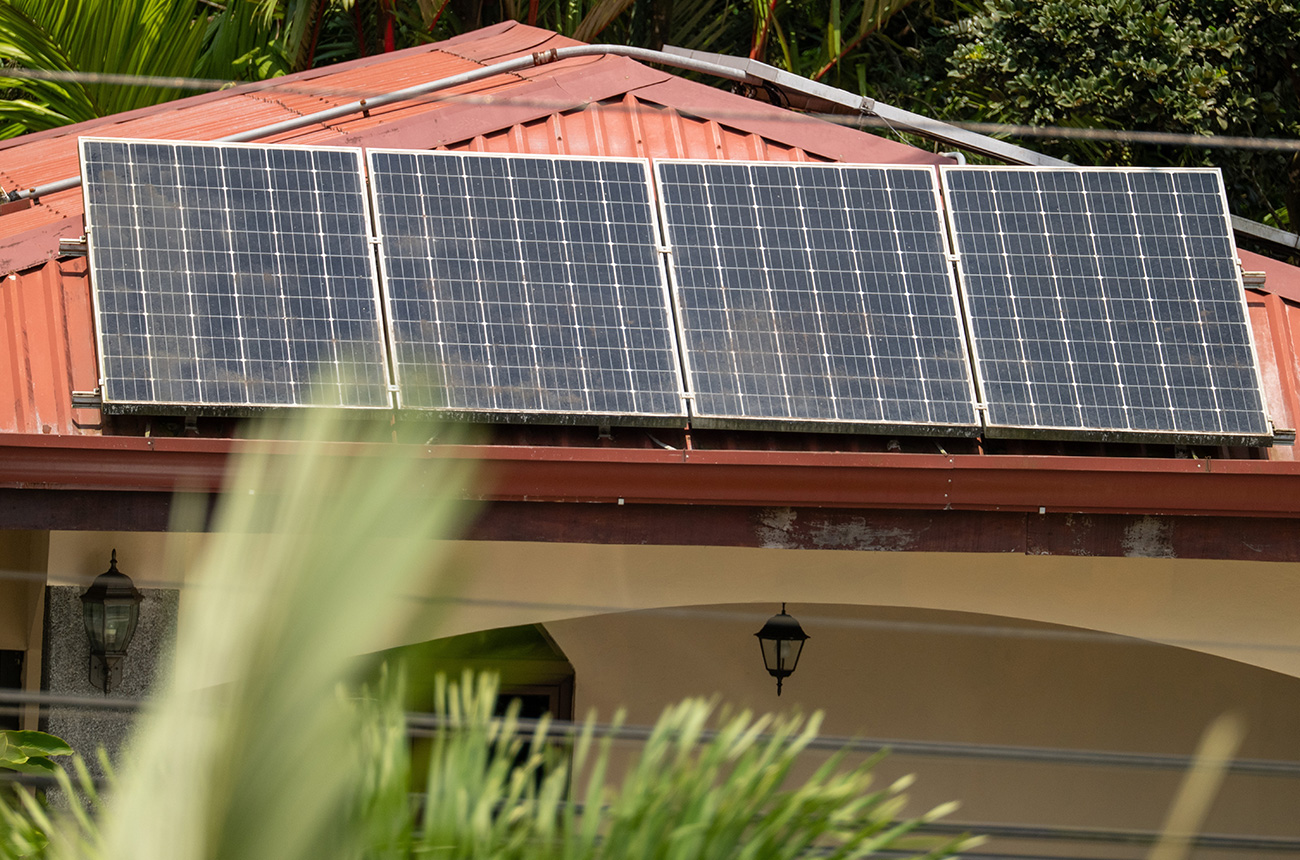
Quality solar panels sold in the Philippines today are engineered to withstand strong winds. Most tier-1 panels carry a wind resistance rating of up to 2,400 Pascal — that's roughly equivalent to wind speeds of around 200 km/h, which covers most typhoons that make landfall here.
But here's the thing: the panel itself is usually not what gives out during a typhoon. It's everything around it: the mounting system, the racking, even the roof structure underneath, that determines whether your system survives.
What Actually Damages a Solar System in a Typhoon
1. Poor Mounting and Racking
If your installer cuts corners on the mounting hardware, wind can get underneath the panels and create uplift, pulling them away from the roof. This is why choosing a certified installer matters as much as choosing good panels.
A properly mounted system uses corrosion-resistant fasteners, secure roof penetrations, and is anchored to the actual structural members of your roof, not just the roofing sheets. For more on what makes a roof ready for solar in the first place, see our guide, What Makes a Roof Solar-Ready? A Guide for Filipino Homeowners.
2. Debris Impact
Flying debris is unpredictable. Most panels have tempered glass rated for hail impact, but a large branch or sheet of GI roofing moving at typhoon speed is a different story. While rare, physical damage from debris is a real possibility and this is exactly why your solar warranty and homeowner's insurance matter.
3. Flooding and Inverter Damage
Panels themselves are water-resistant. Your inverter, however, is a different story. If it's installed in a poorly ventilated area that's prone to flooding or excessive moisture, it can get damaged. Good installers mount inverters at a safe height and in shaded, ventilated spots.
4. Electrical Surge from Lightning
Lightning doesn't have to strike your roof directly to cause damage. A nearby strike can send a voltage surge through the grid and into your system. Surge protection devices (SPDs) should be part of any proper installation, so ask your installer whether yours includes one.
Should You Turn Off Your System During a Typhoon?
No, you don't need to switch off your solar system before a typhoon. Our PV mounting structures are engineered to withstand typhoon-strength winds, with design wind speeds of up to 220 km/h or higher depending on your installation's location. This means your panels and racking are built to handle the Philippines' strongest storms without requiring you to power down.
Once the storm passes, do a quick visual check of your panels, racking, and wiring before assuming everything is normal. If anything looks damaged or displaced, call your installer before continuing operation.
What to Check After a Typhoon
- Panel alignment. Are they still flat on the roof or has anything shifted?
- Mounting hardware. Check for visible loosening or detachment at the brackets
- Wiring. Look for exposed or frayed cables
- Inverter. Check for error codes or warning lights on the display
- App monitoring. Compare your pre-typhoon production numbers to post-typhoon output
A drop in energy production after a typhoon is a sign that something may be off, even if you can't see visible damage from the ground.
The Role of Your Warranty
Most reputable solar providers offer product warranties (covering the panels themselves) and installation warranties (covering the workmanship). Make sure you understand what's covered before signing anything.
Damage from natural disasters like typhoons typically falls under your homeowner's insurance rather than the manufacturer's warranty — so it's worth checking with your insurer whether your solar system is covered under your existing policy.
Bottom Line
A Well-Installed System Can Handle Typhoon Season.
Thousands of households across the country have gone through multiple typhoon seasons without incident.
The key is proper installation by a certified provider, quality components, and knowing what to do before and after a storm. If you're unsure about the condition of your current installation, or you're shopping for a new one, ask your installer specifically about their typhoon-readiness standards.
Because the question isn't really whether solar can survive a typhoon. It's whether your installation was done right.