What Is Rapid Shutdown (RSD), and Why Should Every Solar Homeowner in the Philippines Know About It?
You've probably heard your installer mention it. But what exactly is Rapid Shutdown, why does it matter for your safety, and is it required here in the Philippines? Here's everything you need to know, in plain terms for Filipino homeowners.
When most people switch to solar, they focus on the exciting stuff: lower electricity bills, long-term savings, energy independence. Safety features? Not exactly the most glamorous part of the conversation.
But Rapid Shutdown (RSD) is one of those things that quietly matters a lot: for your family, for emergency responders, and for getting your solar system to pass inspection. If your installer hasn't explained it to you clearly, this is for you.
So, What Is Rapid Shutdown?
Rapid Shutdown is a safety feature built into modern solar systems that quickly powers down your installation when it's needed: during emergencies, maintenance, or when the grid goes down.
Here's the key thing to understand: solar panels generate electricity whenever the sun is shining. It doesn't matter if your inverter is switched off, if there's a power outage, or if someone is working on your roof. As long as sunlight hits those panels, they are producing high-voltage DC electricity, and that electricity flows through your wiring.
Switching off your inverter doesn’t stop your panels from producing power.
This is where Rapid Shutdown comes in. When activated, it reduces the voltage in your wiring to safe levels within seconds, protecting anyone who might need to access your roof or electrical system in an emergency.
Why Does This Matter? Think About the Firefighter Scenario.
Imagine there's a fire in your home. Firefighters arrive and need to get on your roof or cut through your walls. In a regular house, they switch off the main breaker and the electricity stops. Simple.
But in a home with solar panels and no Rapid Shutdown? Cutting the main breaker doesn't stop the panels from generating power. The wiring on your roof can still carry high voltage as long as the sun is shining. That's a real safety concern for anyone who needs to work on your home in an emergency.
Rapid Shutdown solves this. It lets first responders or your maintenance team de-energize your system in seconds, dropping the wiring to safe voltage levels.
"Rapid Shutdown doesn't just protect your panels. It protects the people who might need to work on or around your home in an emergency."
Is Rapid Shutdown Required in the Philippines?
Yes, and this is the part many homeowners don't know about until it's too late.
Rapid Shutdown is a safety requirement under the Philippine Electrical Code (PEC 2017, Section 6.90.2.6). It applies to all rooftop solar installations in the country.
This means that when your solar system gets inspected for the Certificate of Final Electrical Inspection (CFEI), inspectors will check whether your installation meets PEC safety standards, including Rapid Shutdown compliance. The CFEI is required before you can apply for net metering, so it's a step you can't skip.
A system that isn't RSD-compliant can run into issues during inspection. And without a CFEI, your net metering application can't move forward.
What Does a Rapid Shutdown-Compliant System Look Like?
You won't necessarily see a big red button on your wall labeled "Rapid Shutdown" (though some systems do have a dedicated switch). Compliance can be achieved in a few different ways depending on your system design:
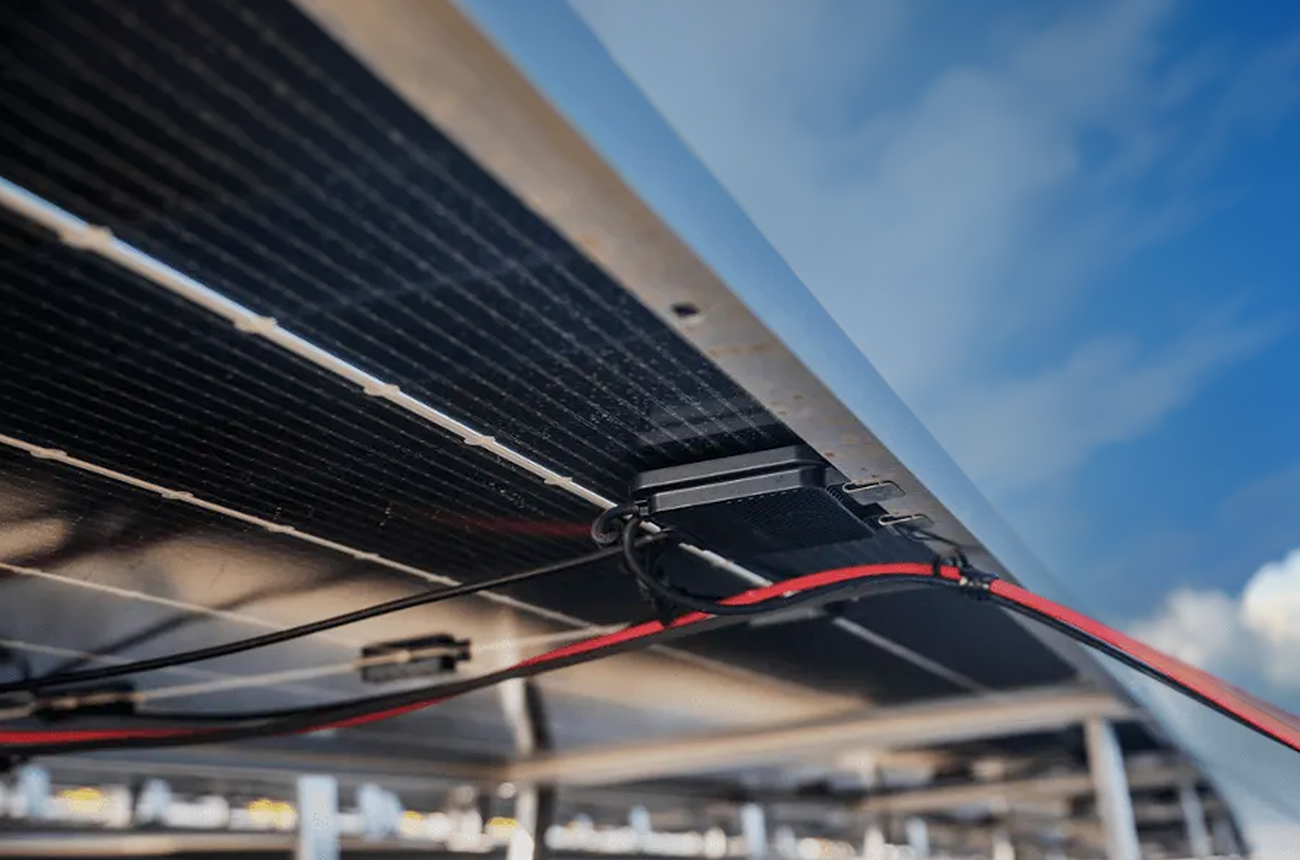
- Module-level power electronics (MLPEs) like microinverters or power optimizers, which automatically shut down at the panel level.
- String inverters paired with RSD devices that de-energize the DC wiring when the system is shut down.
Most compliant systems also include a clearly labeled shutdown switch near the main service entrance, so first responders or maintenance teams know exactly where to initiate a shutdown.
The right solution depends on your roof layout, system size, and inverter type. A certified installer will design your system with this built in, not as an afterthought.
Can You Add RSD to an Existing System?
The good news: in most cases, adding Rapid Shutdown compliance to an existing system is possible through a retrofit. The right components can be added without replacing your entire setup.
If your solar system was installed without RSD compliance, whether because of an older design or an oversight during installation, it's worth getting it assessed. Beyond the inspection requirement, RSD is genuinely about protecting your home and the people around it.
Ask your solar provider to review your current installation if you're not sure if it's compliant.
Quick Summary: What You Need to Remember About Rapid Shutdown
- Solar panels generate electricity any time the sun is out, even when everything else is switched off
- Rapid Shutdown reduces wiring voltage to safe levels in seconds during emergencies or maintenance
- It is required under Philippine Electrical Code (PEC 2017, Section 6.90.2.6) for all rooftop solar
- Your system must be RSD-compliant to pass CFEI inspection and qualify for net metering
- A compliant system means a smoother, safer installation, from day one through the life of your solar system
One Last Thing
When you're shopping for solar, or reviewing your existing installation, don't be shy about asking your provider directly: "Is this system Rapid Shutdown compliant under PEC 2017?" A good installer should be able to answer that immediately and show you exactly how it's addressed in your system design.
At Solviva Energy, RSD compliance is built into every installation we do, not because it's just a checkbox, but because we believe a solar system should protect your home just as much as it powers it.