
Solar Panel Maintenance 101: What Homeowners Should Know
The good news: solar panels are low-maintenance. The even better news: the few things you do need to stay on top of are simple.
One of the things people love most about switching to solar is that once it's installed, you mostly just let it run. There are no moving parts, no filters to replace, no fuel to buy. But "low maintenance" doesn't mean "zero maintenance."
A little bit of upkeep goes a long way in keeping your system performing at its best with and catching small issues before they become expensive ones. Here's what you actually need to know.
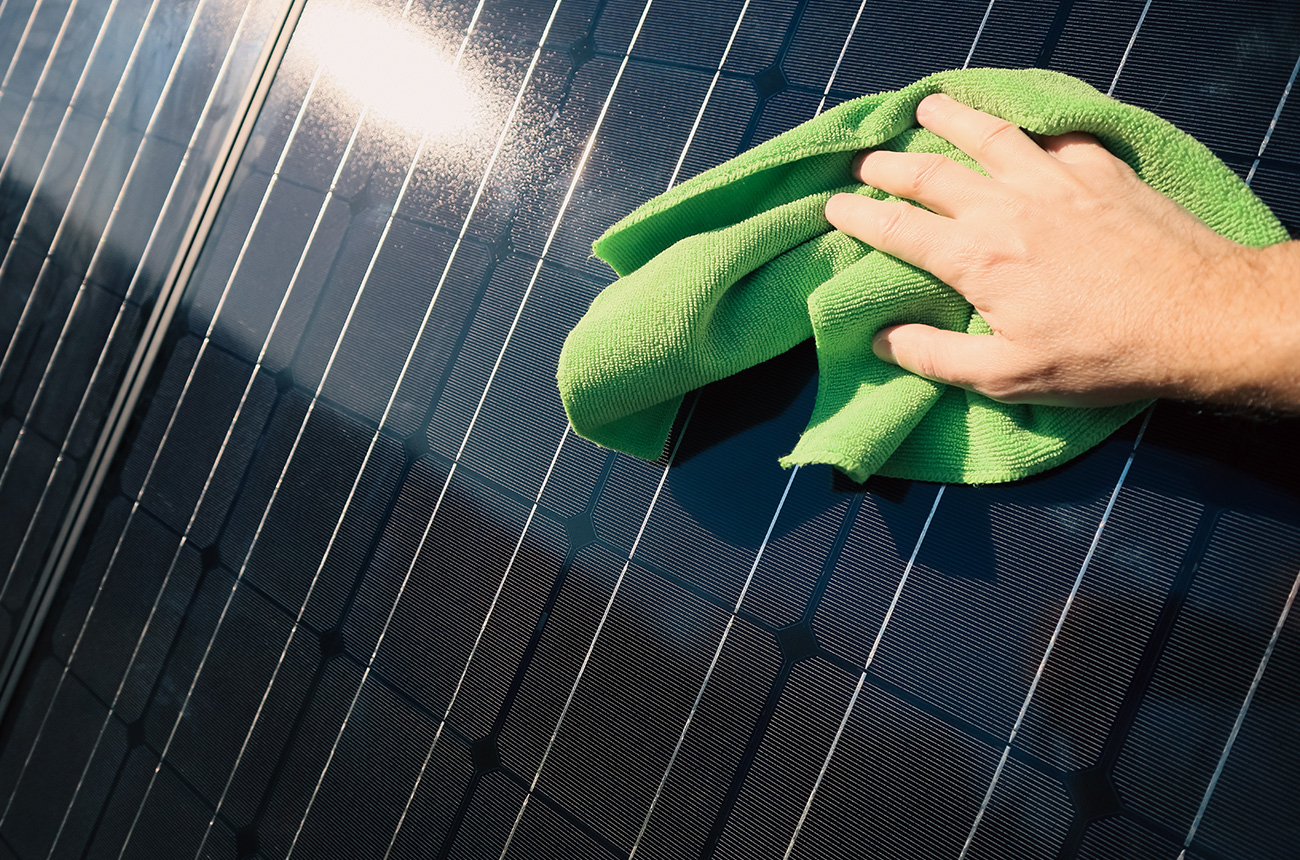
1. Keep Your Panels Clean
This is the most common and impactful thing you can do. Dust, bird droppings, and fallen leaves reduce how much sunlight reaches your panels and even a thin layer of grime can shave a few percentage points off your system's output.
In Metro Manila and most urban areas, a good rinse with clean water every 1 to 2 months is usually enough. If you're near a highway, a construction site, or a farming area, you may need to clean more frequently.
How to do it safely:
- Use a soft brush or cloth with plain water no harsh chemicals or abrasive scrubbers
- Clean in the early morning or late afternoon when panels are cool; cold water on hot glass can cause thermal stress
- Never walk on your panels or use a high-pressure jet washer directly on them
- If your panels are difficult to reach safely, hire a professional cleaning service
A note on rain: while rain does rinse off some surface dust, it's usually not enough on its own especially after a dry stretch. Don't assume your panels are clean just because it rained.
2. Monitor Your System Output
Most modern inverters come with a monitoring app that lets you track your daily and monthly energy production in real time. Get in the habit of checking it.
You don't need to be an engineer to spot a problem. If your system usually generates around 20 kWh on a sunny day and you're suddenly seeing 12 kWh on a clear week, then something is off.
What to watch for:
- Sudden or gradual drops in daily production (ruling out weather and seasonal changes)
- Individual panel or string underperformance (if your inverter shows per-panel data)
- Error codes or warning messages on the inverter display
Most issues that show up in monitoring data are small and fixable early. Catching them late after months of underperformance means months of lost savings.
3. Check Your Inverter Regularly
Your inverter is the brain of your solar system. It converts the DC power from your panels into the AC power your appliances use. Most residential inverters have a small display or indicator lights that show whether the system is operating normally.
You don't need to do anything technical here, just do a visual check every month or so. Green light, normal display readings, no unusual sounds or smells. If you see a fault code or a red indicator, note it down and contact your installer support line.
Also make sure the area around your inverter is clear of clutter and has adequate ventilation.
4. Inspect Wiring and Mounting After Severe Weather
After a strong typhoon or heavy storm, do a visual walkthrough of your system.
You're looking for:
- Panels that have visibly shifted or tilted
- Loose or exposed wiring (especially around connectors and junction boxes)
- Corrosion or rust on mounting brackets (especially in coastal areas)
- Physical damage to panels like cracks, chips, or discoloration
If everything looks fine visually, check your monitoring app over the next few days to confirm output is back to normal.
5. Trim Trees and Vegetation Around Your Roof
Shading is one of the biggest factors in solar performance. Even partial shading on one panel can significantly reduce output.
Keep an eye on trees or plants near your roof. A mango tree that wasn't an issue when your system was installed two years ago might now be casting shadows on your panels during peak sun hours. Seasonal tree trimming is a small thing that can have a meaningful impact on your annual solar production.
6. Schedule an Annual Inspection
Even if everything seems to be working fine, a professional inspection once a year is worth it. Solviva Energy's Basic PMS is a low-friction annual service that covers wet cleaning of panels, debris clearing, visual inspection of visible issues, monitoring app verification, and a documented service report. It's designed to restore cleanliness, catch visible risks early, and give you a formal record that your system is in good shape.
It's also a good time to review your monitoring data with a technician and ask any questions that have come up over the past year.
What You Don't Need to Worry About
Panels degrade quickly. Tier-1 solar panels lose about 0.5% efficiency per year, meaning after 25 years, they're still producing around 80% of their original output. This is normal and expected.
Constant hands-on maintenance. Unlike air conditioners or generators, solar panels don't have filters, fluids, or moving parts that need regular servicing. The list above is genuinely all you need.
Final Thought
Solar is one of the easiest ways to save on electricity. With just a few hours of attention per year, your system stays at peak performance: checking your monitoring app occasionally, keeping your panels reasonably clean, and not ignoring error notifications when they show up. That small effort is what separates a system running at 95% from one quietly sitting at 80%, and over 25 years, that gap adds up to a lot in savings.